
Index Mart-001 in Uyo Akwa Ibom | Best Household Shopping Mall at Itu Road

Index Mart – 001 in Uyo Akwa Ibom | Best Household Shopping Mall at Itu Road
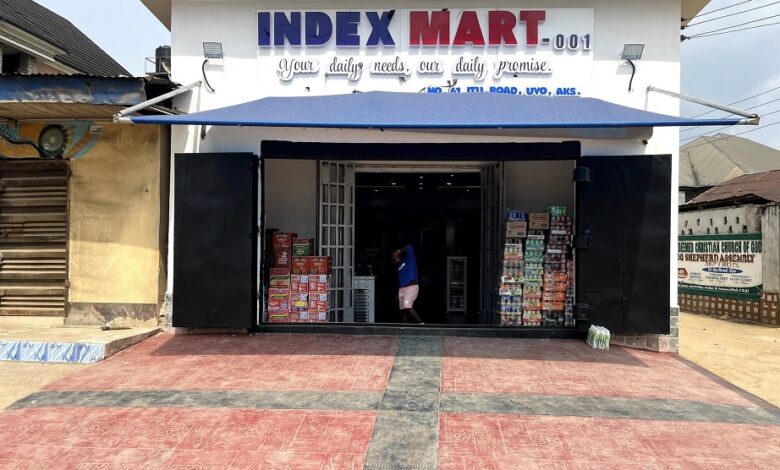
Index Mart- 001 is a fast-growing retail shopping mall located at No 61 Itu Road, Uyo 520108, Akwa Ibom State, serving as a dependable destination for daily household and personal needs. Built with convenience, accessibility, and quality in mind, the mart has become a trusted name among residents of Uyo and neighboring communities.
As urban living continues to expand in Akwa Ibom State, the demand for organized retail spaces that offer a wide range of everyday products under one roof has increased significantly. Index Mart – 001 fills this gap by combining variety, affordability, and customer-focused service in one central location.
The mall operates under a clear promise: “Your daily needs, our daily promise.” This philosophy reflects the mart’s commitment to consistently providing essential items that households rely on daily, without compromising quality or customer satisfaction.
Strategic Location and Accessibility
One of the strongest advantages of Index Mart-001 is its strategic location along Itu Road in Uyo. Itu Road is a major route that connects several residential and commercial areas, making the mart easily accessible to a wide range of customers.
Residents, commuters, students, business owners, and families find it convenient to stop by Index Mart-001 for quick shopping or bulk purchases. The accessibility of the location reduces travel stress and saves time, which is a major consideration for modern shoppers.
The surrounding environment further supports the mart’s role as a neighborhood shopping hub, ensuring steady foot traffic and consistent customer engagement.
The Concept Behind Index Mart-001
Index Mart-001 was designed to be more than just a shop. It represents a modern retail concept that blends everyday essentials with a comfortable shopping experience. Rather than focusing on a single product category, the mart embraces a multi-category retail model that meets the complete needs of households.
This approach allows customers to purchase groceries, toiletries, beverages, cosmetics, baby products, and household utilities in one visit. The result is a streamlined shopping experience that aligns with today’s fast-paced lifestyle.
By prioritizing convenience and product diversity, Index Mart-001 positions itself as a dependable partner in everyday living.
Wide Range of Household Products Under One Roof
A key reason for the growing popularity of Index Mart-001 is the extensive variety of products available. The mart deals in nearly all essential household categories, ensuring customers can find what they need without moving from store to store.
Grocery and Food Essentials
Index Mart-001 stocks a wide selection of grocery items that cater to daily cooking and consumption needs. These include packaged food items, dry goods, cooking ingredients, snacks, and other food essentials commonly used in Nigerian households.
The grocery section is curated to meet the needs of both individuals and families, making it easy to shop for weekly or monthly supplies.
Toiletries and Personal Care Products
Personal hygiene and cleanliness are essential aspects of daily life, and Index Mart-001 ensures customers have access to trusted toiletry brands. The toiletries section includes:
-
Bath soaps and body wash
-
Detergents and cleaning agents
-
Toothpaste and oral care products
-
Tissue paper and sanitary essentials
By offering a broad selection of toiletry items, the mart supports healthy living and household hygiene.
Assorted Wines and Beverages
Index Mart-001 also caters to customers looking for quality beverages and drinks. The beverages section includes:
-
Soft drinks
-
Fruit juices
-
Bottled water
-
Energy drinks
-
Assorted wines
This category serves both casual consumers and customers shopping for events, celebrations, or relaxation.
Perfumes, Cosmetics, and Beauty Essentials
Beauty and grooming products play an important role in personal confidence and self-expression. Index Mart-001 offers a selection of perfumes, cosmetics, and beauty essentials suitable for different preferences and budgets.
Customers can find everyday fragrances, skincare products, and cosmetic items that support personal care routines. The availability of these products within a general household mart adds extra convenience, especially for busy shoppers.
Kitchen Utensils and Household Tools
Index Mart-001 understands that a functional kitchen is central to every home. The mart stocks a variety of kitchen utensils and tools, including cookware, plates, cups, cutlery, and basic cooking accessories.
These items are selected to meet everyday cooking needs while maintaining durability and usability. Whether a customer is setting up a new home or replacing worn-out kitchen items, the mart provides practical options.
Basic Electrical Items for Everyday Use
In addition to food and household items, Index Mart-001 offers basic electrical products designed for everyday use. These items are carefully chosen to meet household needs without unnecessary complexity.
The inclusion of basic electricals makes the mart even more versatile, reducing the need for customers to visit specialized electrical shops for simple items.
Inner Wears and Clothing Essentials
Index Mart-001 also stocks inner wears and basic clothing essentials that cater to everyday comfort. These items are practical, affordable, and suitable for regular use by individuals and families.
By offering clothing essentials alongside other household items, the mart further strengthens its position as a one-stop shopping destination.
Baby Products and Childcare Essentials
Families with young children can find essential baby products at Index Mart-001. The baby section includes items such as baby food, diapers, wipes, and other childcare necessities.
This category is especially important for parents who prefer to buy baby essentials alongside groceries and household supplies, saving time and effort.
Customer Experience and Store Organization
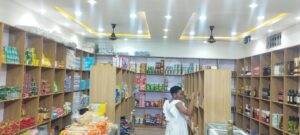
Index Mart-001 is designed with customer comfort in mind. The store layout is organized to allow easy navigation, enabling customers to locate products quickly.
Shelves are well-arranged, aisles are spacious, and product categories are clearly defined. This organized structure enhances the overall shopping experience and encourages repeat visits.
Friendly and attentive staff members are available to assist customers, answer questions, and ensure a smooth shopping process.

Business Leadership and Ownership
Index Mart-001 is owned and managed by Mr. AkanInyene Johnson, the Chief Executive Officer (CEO). His leadership plays a significant role in shaping the mart’s values, operations, and long-term vision.
Under his guidance, Index Mart-001 emphasizes consistency, integrity, and customer satisfaction. The management approach focuses on building trust with customers and maintaining high operational standards.
Mr. AkanInyene Johnson’s vision is to establish Index Mart-001 as a household name in Uyo and beyond, recognized for reliability and quality service.
Role of Index Mart-001 in the Local Community
Index Mart-001 contributes positively to the local economy by providing employment opportunities and supporting local commerce. As a neighborhood shopping mall, it serves as a reliable resource for residents while strengthening community ties.
The presence of a well-organized retail store within the area enhances convenience for locals and supports the growth of structured retail in Akwa Ibom State.
Why Index Mart-001 Stands Out Among Shopping Malls in Uyo
In a competitive retail environment, Index Mart-001 distinguishes itself through consistency, product variety, and a customer-first approach. Rather than focusing solely on sales, the mart prioritizes long-term relationships with customers by meeting daily needs reliably.
This approach has helped the mart build a loyal customer base that continues to grow through word-of-mouth recommendations and repeat visits.
Commitment to Quality and Affordability
One of the defining features of Index Mart-001 is its commitment to offering quality products at affordable prices. Customers trust the mart because they know they are purchasing items that meet everyday standards without unnecessary cost inflation.
The balance between quality and affordability is critical in household shopping, and Index Mart-001 consistently delivers on this expectation.
Meeting the Needs of Modern Households
Modern households require convenience, speed, and reliability when shopping for daily essentials. Index Mart-001 responds to these needs by offering:
-
Multiple product categories in one location
-
Easy accessibility along a major road
-
A comfortable shopping environment
-
Helpful customer service
These factors make the mart suitable for working professionals, families, students, and elderly customers alike.
Supporting Busy Lifestyles
As lifestyles become increasingly busy, shoppers value stores that save time and reduce stress. Index Mart-001 supports this by allowing customers to complete most of their household shopping in a single visit.
This efficiency is particularly valuable for customers balancing work, family, and other responsibilities.
Building Trust Through Consistency
Trust is a major factor in retail success. Index Mart-001 builds trust by maintaining consistent product availability, stable pricing, and reliable service.
Customers know what to expect when they walk into the store, and this predictability strengthens brand loyalty over time.
Index Mart-001 as a Growing Retail Brand
Although rooted in the local community, Index Mart-001 shows strong potential for growth as a recognizable retail brand. Its operational model, customer focus, and leadership vision position it well for expansion and long-term sustainability.
The mart represents a modern approach to neighborhood retailing, blending traditional values with contemporary shopping expectations.
Vision for the Future
The long-term vision of Index Mart-001 is centered on growth, improvement, and customer satisfaction. By continuously evaluating customer needs and market trends, the mart aims to remain relevant and competitive in the evolving retail landscape.
Future plans may include expanding product categories, enhancing store layout, and strengthening customer engagement strategies.
Why Customers Choose Index Mart-001
Customers consistently choose Index Mart-001 for several reasons:
-
Wide range of household essentials
-
Convenient location at Itu Road
-
Affordable pricing
-
Organized shopping environment
-
Reliable customer service
-
Strong leadership and management
These strengths combine to create a shopping experience that customers trust and appreciate.
Conclusion
Index Mart-001 has established itself as a dependable shopping mall in Uyo, Akwa Ibom State. With its comprehensive product range, strategic location, and commitment to customer satisfaction, the mart continues to meet the everyday needs of its customers. Owned and led by Mr. AkanInyene Johnson, Index Mart-001 reflects strong leadership and a clear vision for quality retail service. As the mart continues to grow, it remains focused on its promise: “Your daily needs, our daily promise.”