
50 Business Plans to Establish With ₦300.000 in 2026
Understanding the Value of ₦300,000 in 2026
In Nigeria’s evolving economic landscape, ₦300,000 may appear modest at first glance. However, when carefully allocated and paired with the right business model, it can serve as a powerful starting capital. Inflation, changing consumer behavior, digital adoption, and localized demand have all reshaped what small-scale entrepreneurship looks like in 2026.
Many people searching for business ideas within this budget are not looking for shortcuts to overnight wealth. Instead, they want practical, realistic, and sustainable business plans that can generate steady income, grow gradually, and adapt to economic conditions.
This guide focuses on low-risk, high-demand businesses that can be launched with approximately ₦300,000 or less, depending on location, resourcefulness, and scale.
Key Assumptions Used in These Business Plans
To keep expectations realistic, all 50 business plans in this guide are based on the following assumptions:
-
Startup capital is capped at ₦300,000
-
Businesses are designed for Nigerian cities and semi-urban areas
-
Operations can start small and scale gradually
-
Focus is on essential services, repeat customers, and local demand
-
No assumptions of foreign funding or large loans
Important Factors to Consider Before Starting
Before selecting any business from this list, prospective entrepreneurs should consider:
-
Location and foot traffic
-
Local competition
-
Personal skills and interests
-
Daily operating costs
-
Cash flow management
A business that thrives in Lagos may perform differently in Enugu, Ilorin, or Uyo. Adaptation is key.
Category 1: Food and Beverage Businesses
Food remains one of the most reliable business sectors in Nigeria due to constant demand.
1. Local Food Vendor (Cooked Meals)
With ₦300,000, one can start a small cooked food business selling rice, beans, swallow, and soups.
Startup breakdown includes:
-
Cooking utensils
-
Gas stove
-
Raw food supplies
-
Small kiosk or roadside setup
Daily sales depend heavily on location, but food businesses often generate quick cash flow.
2. Shawarma Mini-Stand
Shawarma continues to enjoy popularity, especially among young adults.
Initial costs cover:
-
Shawarma grill (small size)
-
Ingredients
-
Branding and packaging
Operating near schools or busy streets increases profitability.
50 Business Plans to Establish With ₦300.000 in 2026
3. Smoothie and Fruit Juice Business
Health-conscious consumers are increasing in number. Fresh juice businesses can start small.
Capital goes into:
-
Blender
-
Fruits
-
Cups and packaging
-
Ice storage
This business works best in warm regions and busy areas.
4. Small-Scale Bakery (Home-Based)
Baking bread, meat pies, and pastries from home reduces overhead costs.
Startup essentials include:
-
Oven
-
Baking tools
-
Ingredients
Sales can be boosted through social media marketing and local delivery.
5. Roasted Plantain (Boli) Business
A popular street food with consistent demand.
Startup needs:
-
Charcoal grill
-
Raw plantain
-
Pepper and oil
Margins are small per unit but scale well with volume.
6. Popcorn Production and Sales
Popcorn is low-cost to produce and enjoys steady demand.
Key expenses include:
-
Popcorn machine
-
Corn kernels
-
Packaging materials
Often paired with roadside sales or school locations.
7. Mobile Food Delivery (Local Dishes)
Instead of a physical location, this model relies on home cooking and delivery.
Startup funds cover:
-
Cooking supplies
-
Food packaging
-
Basic marketing
WhatsApp and Instagram play a major role here.
8. Ice Block Production (Seasonal Business)
Ice block businesses perform well during dry seasons.
Capital is spent on:
-
Freezer
-
Nylon packaging
-
Water supply
Profitability depends on electricity stability.
9. Small Pepper Soup Spot
Pepper soup is popular in the evenings and weekends.
Costs include:
-
Cooking equipment
-
Meat or fish supplies
-
Small seating arrangement
Alcohol-free versions expand customer base.
10. Homemade Snacks Production
This includes chin chin, puff puff, buns, and doughnuts.
Products can be sold:
-
Wholesale to retailers
-
Directly to consumers
Packaging and consistency are key.
Category 2: Retail and Trading Businesses
Retail businesses focus on buying and selling fast-moving goods.
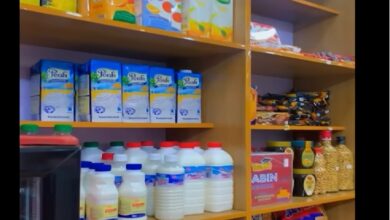
11. Provision Store (Mini-Mart)
A small provision shop selling essentials like noodles, beverages, and toiletries.
Startup allocation:
-
Initial stock
-
Shelving
-
Rent or shared space
Fast-moving goods ensure regular cash flow.
12. Phone Accessories Business
Selling chargers, earphones, power banks, and phone cases.
Capital mainly goes into inventory.
Location near phone repair shops or markets increases sales.
13. POS Business (Agency Banking)
POS businesses continue to grow due to cash demand.
Startup cost includes:
-
POS machine
-
Initial float
-
Registration fees
Daily commissions add up over time.
14. Thrift Clothing (Okrika) Business
Imported second-hand clothing remains profitable.
Costs cover:
-
Bale purchase
-
Sorting
-
Display setup
Good fashion sense increases turnover.
15. Mini Cosmetics Store
Selling skincare, makeup, and personal care products.
Stock should focus on fast-selling brands.
Knowledge of product authenticity is essential.
50 Business Plans to Establish With ₦300.000 in 2026
16. Household Cleaning Supplies Retail
Includes detergents, bleach, disinfectants, and air fresheners.
Often sold in smaller quantities for affordability.
Low spoilage risk makes this business stable.
17. Recharge Card and Data Reselling
Still relevant despite digital wallets.
Low startup cost and quick turnover.
Can be combined with POS business.
18. Frozen Foods Retail (Small Scale)
Selling chicken, fish, and turkey cuts.
Requires:
-
Chest freezer
-
Reliable electricity
Margins improve with bulk purchasing.
19. Stationery and School Supplies Store
Best located near schools.
Includes books, pens, bags, and learning materials.
Sales peak during school sessions.
20. Mini Building Materials Supply
Selling cement in smaller quantities, nails, and fittings.
Works well in developing neighborhoods.
Category 3: Service-Based Businesses
Service businesses rely more on skills than heavy inventory.
21. Laundry and Ironing Service
Can start from home with:
-
Washing machine
-
Iron
-
Detergents
Recurring customers drive stability.
22. Phone Repair Service
Requires technical skill and basic tools.
Startup cost is relatively low once skills are acquired.
High demand due to phone dependency.
23. Hair Barbing Salon (Small Setup)
A single-chair salon can operate within budget.
Expenses include:
-
Clipper
-
Chair
-
Generator or inverter
Consistency builds loyalty.
24. Makeup Artist Business
Requires makeup kits and branding.
Social media presence is crucial.
Event-based demand boosts income.
25. Cleaning Services (Residential)
Serving homes and small offices.
Startup includes cleaning tools and transportation.
Subscription-based clients improve income predictability.
Category 4: Digital and Online-Based Businesses
Digital businesses are increasingly attractive because they require less physical infrastructure and can scale beyond local boundaries.
26. Social Media Management Services
Many small businesses now rely on social media but lack the skills or time to manage their pages.
Startup costs include:
-
Internet subscription
-
Smartphone or laptop
-
Basic design and scheduling tools
Revenue comes from monthly retainers.
27. Freelance Writing and Content Services
Content creation remains in demand for blogs, websites, and businesses.
Initial investment focuses on:
-
Internet
-
Skill development
-
Portfolio creation
This business grows with reputation and consistency.
28. Graphic Design Services
Graphic designers are needed for logos, flyers, and branding.
Startup needs:
-
Laptop
-
Design software
-
Internet
Clients range from individuals to corporate brands.
29. Online Tutoring and Coaching
Tutoring students in academic subjects or exam preparation.
Platforms include:
-
WhatsApp
-
Zoom
-
Google Meet
Subjects like mathematics, English, and exam prep remain in demand.
30. Mini Digital Marketing Agency
Offering services like ads management, email marketing, and content strategy.
Startup capital covers:
-
Internet
-
Training
-
Marketing
Businesses increasingly outsource these services.
31. Blogging and Niche Websites
Starting an informational blog focused on a niche topic.
Initial costs:
-
Domain and hosting
-
Content creation
-
SEO tools
Monetization includes ads, affiliate links, and sponsored posts.
32. WhatsApp Business Reselling
Selling products via WhatsApp Business without owning a shop.
Capital is mainly for:
-
Initial stock
-
Data subscription
Works well for fashion, food, and cosmetics.
33. Online Course Creation
Packaging knowledge into structured courses.
Courses can be sold repeatedly after creation.
Topics include skills, exams, and business knowledge.
34. Data Reselling Business
Buying data in bulk and reselling at competitive prices.
Low risk and easy to combine with POS services.
50 Business Plans to Establish With ₦300.000 in 2026
35. Virtual Assistant Services
Supporting businesses with admin tasks remotely.
Skills include email management, scheduling, and research.
Growing demand among startups and entrepreneurs.
Category 5: Agriculture and Agro-Based Businesses
Agriculture remains a strong sector when done on a small but focused scale.
36. Poultry Farming (Small Scale)
Starting with a limited number of birds.
Budget covers:
-
Chicks
-
Feed
-
Housing
Proper management is crucial to avoid losses.
37. Snail Farming
Snail farming requires little space and capital.
Low feeding costs and growing demand make it attractive.
Harvest cycles require patience.
38. Fish Farming (Plastic Tank Method)
Using tarpaulin or plastic tanks reduces startup costs.
Budget includes:
-
Fingerlings
-
Feed
-
Water management
Location and water quality are important.
39. Vegetable Farming (Urban Farming)
Growing vegetables like spinach, tomatoes, and pepper.
Can be done in backyards or rented plots.
Fast turnover makes it appealing.
40. Palm Oil Retailing (Small Scale)
Buying palm oil in bulk and selling in smaller quantities.
Low spoilage risk.
Strong demand across Nigeria.
Category 6: Creative, Craft, and Skill-Based Businesses
Skill-based businesses rely on creativity and craftsmanship rather than large capital.
41. Fashion Design (Small Scale)
Starting with simple sewing services.
Capital is for:
-
Sewing machine
-
Fabrics
-
Tools
Growth depends on consistency and referrals.
42. Shoe and Bag Making
Handcrafted footwear and bags attract niche markets.
Skills are more important than capital.
Custom orders increase profit margins.
43. Photography Business (Basic Setup)
Entry-level photography focusing on events and portraits.
Startup includes:
-
Used camera
-
Editing software
Good branding improves visibility.
44. Video Editing Services
Demand is growing with online content creators.
Startup costs are low once skills are acquired.
Clients include YouTubers and businesses.
45. Event Decoration (Mini Scale)
Focusing on birthdays and small events.
Initial investment covers basic decoration materials.
Partnerships help scale quickly.
Category 7: Miscellaneous but Profitable Ventures
These businesses don’t fit neatly into one category but remain viable.
46. Car Wash (Manual)
Manual car wash businesses require limited equipment.
Location is critical for success.
Recurring customers improve income stability.
47. Waste Recycling Collection
Collecting and selling recyclable materials.
Low startup cost and environmental impact.
Income depends on volume and consistency.
48. Mini Water Refill Business
Refilling purified water for households.
Requires basic filtration setup and packaging.
Demand remains steady year-round.
50 Business Plans to Establish With ₦300.000 in 2026
49. Logistics and Errand Services
Helping individuals and businesses move items locally.
Startup includes:
-
Transportation arrangement
-
Marketing
Trust and reliability are key.
50. Mobile Phone Sales (Used Phones)
Selling fairly used smartphones.
Capital goes into:
-
Initial phone stock
-
Testing tools
Market knowledge reduces risk.
How to Choose the Right Business From This List
Before committing to any of the 50 business plans, consider:
-
Your existing skills
-
Local demand
-
Competition level
-
Risk tolerance
-
Long-term scalability
Starting small and reinvesting profits is often more effective than trying to expand too quickly.
Common Mistakes to Avoid
-
Spending all capital at once
-
Ignoring record keeping
-
Mixing personal and business funds
-
Underpricing products or services
-
Neglecting customer service
Avoiding these mistakes significantly improves survival rates.
Final Thoughts
Establishing a business with ₦300,000 in 2026 is achievable with the right mindset, planning, and discipline. While capital matters, consistency, customer trust, and adaptability play a greater role in long-term success.
Each business idea in this guide offers a foundation, not a guarantee. Success depends on execution, learning, and resilience.