Financial Tips

Prices of Average Food Items in Nigeria in 2026

Prices of Average Food Items in Nigeria in 2026

Introduction

Food prices in Nigeria in 2026 remain one of the most important economic indicators affecting households, students, workers, and businesses across the country. For millions of Nigerians, the cost of everyday food items determines monthly budgeting, nutrition choices, and overall living standards.

In 2026, several factors continue to influence food prices nationwide. These include transportation costs, exchange rate fluctuations, agricultural productivity, climate conditions, fuel prices, insecurity in farming regions, and government agricultural policies.

For Nigerians searching for information about the prices of average food items in Nigeria in 2026, the goal is usually to understand the following:

  1. How much common food items cost in markets

  2. Which foods are becoming more expensive

  3. Which foods remain affordable

  4. Opportunities within the food supply chain

  5. Services that help reduce food costs

  6. Strategies for managing food expenses

This guide provides a comprehensive breakdown of major staple foods and their average price ranges across Nigerian markets in 2026.

Key Factors Affecting Food Prices in Nigeria in 2026

Food pricing in Nigeria does not occur in isolation. Several economic and structural forces shape the cost of food nationwide.

Inflation and Currency Value

Nigeria has experienced persistent food inflation over the past several years. When the value of the national currency weakens, imported food products and agricultural inputs such as fertilizers, machinery, and animal feed become more expensive. This cost increase is passed down to consumers.

Transportation and Fuel Costs

Transportation remains one of the biggest contributors to food price increases. Farmers in northern regions transport large volumes of produce to southern markets such as Lagos, Port Harcourt, Ibadan, and Abuja. When fuel prices rise, the cost of transporting food increases significantly.

Climate and Weather Conditions

Flooding, drought, and irregular rainfall patterns affect agricultural output. In years with poor harvests, food supply drops and prices rise.

Security Challenges in Farming Regions

Certain farming regions in Nigeria face security issues that disrupt agricultural activities. When farmers cannot access their farmlands or transport produce safely, food supply declines.

Storage and Post-Harvest Losses

Nigeria still faces significant post-harvest losses due to poor storage infrastructure. Large quantities of grains, vegetables, and fruits spoil before reaching markets, reducing available supply.

Average Prices of Major Food Staples in Nigeria in 2026

The following price ranges represent average market prices across major Nigerian cities. Prices vary by state, season, and market structure.

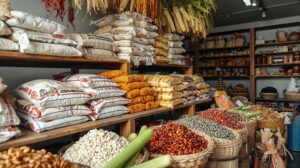
Rice Prices in Nigeria in 2026

Rice remains one of the most widely consumed foods in Nigeria.
Prices of Average Food Items in Nigeria in 2026

Average Price Range

  • 50kg bag of local rice: ₦75,000 – ₦95,000

  • 50kg bag of imported rice: ₦90,000 – ₦120,000

  • 25kg bag of rice: ₦40,000 – ₦55,000

  • 1 paint rubber of rice: ₦3,500 – ₦5,000

Rice prices fluctuate based on harvest season and import restrictions. Locally produced rice has increased in popularity due to government agricultural programs promoting local production.

Opportunities in the Rice Market

Rice processing, packaging, and distribution remain strong business opportunities in Nigeria. Entrepreneurs involved in rice milling and wholesale distribution continue to benefit from high national demand.

Garri Prices in Nigeria in 2026

Garri, a processed cassava product, remains a staple food across all regions of Nigeria.

Average Price Range

  1. 50kg bag of garri: ₦35,000 – ₦55,000

  2. Paint rubber of garri: ₦2,000 – ₦3,500

  3. Small bowl of garri: ₦500 – ₦800

Garri prices vary depending on quality, cassava harvest yield, and regional supply.

White garri and yellow garri (fried with palm oil) often have different price levels.

Services Emerging Around Garri Processing

Cassava processing services have grown rapidly. Small-scale processing plants that convert cassava into garri provide opportunities for farmers and food entrepreneurs.

Yam Prices in Nigeria in 2026

Yam remains one of Nigeria’s most culturally significant staple foods.

Average Price Range

  1. Medium-sized yam tuber: ₦2,000 – ₦4,000

  2. Large yam tuber: ₦4,500 – ₦7,000

  3. Yam bundle (depending on size): ₦25,000 – ₦60,000

Yam prices increase significantly during off-harvest seasons.

Yam barns in producing states such as Benue, Taraba, and Nasarawa influence supply levels nationwide.

Beans Prices in Nigeria in 2026

Beans serve as an affordable protein source for many Nigerians.

Average Price Range

  1. 50kg bag of beans: ₦70,000 – ₦95,000

  2. Paint rubber of beans: ₦3,000 – ₦4,500

  3. Small bowl of beans: ₦700 – ₦1,000

Several varieties of beans are available, including brown beans and white beans.

Market Opportunities

Beans storage and wholesale supply provide income opportunities for traders who buy during harvest season and sell later when prices increase.

READ ALSO  How Nigerian students can make money online in 2026 (without scam)

Maize Prices in Nigeria in 2026

Maize is a major agricultural commodity used for food and livestock feed.

Average Price Range

  1. 50kg bag of maize: ₦45,000 – ₦65,000

  2. Paint rubber of maize: ₦2,200 – ₦3,500

Maize demand remains high due to poultry farming and industrial food processing.

Vegetable Oil Prices in Nigeria in 2026

Cooking oil remains a critical household food item.

Average Price Range

  1. 25-liter keg of palm oil: ₦35,000 – ₦50,000

  2. 5-liter vegetable oil container: ₦10,000 – ₦14,000

  3. 1-liter vegetable oil bottle: ₦2,200 – ₦3,200

Palm oil prices fluctuate heavily depending on production cycles in southern Nigeria.

Tomato Prices in Nigeria in 2026

Tomatoes are widely used in Nigerian cooking but often experience dramatic price fluctuations.

Average Price Range

  1. Basket of tomatoes: ₦20,000 – ₦45,000

  2. Small bowl of tomatoes: ₦800 – ₦1,500

  3. Single tomato: ₦150 – ₦300

Tomato prices typically rise during the rainy season due to reduced supply and transportation challenges.

Pepper Prices in Nigeria in 2026

Pepper remains a daily ingredient in Nigerian meals.

Average Price Range

  • Basket of pepper: ₦18,000 – ₦35,000

  • Small bowl: ₦600 – ₦1,200

Pepper farming has expanded across northern states due to growing demand.

Meat Prices in Nigeria in 2026

Protein sources remain relatively expensive compared to staple carbohydrates.

Average Price Range

  • 1kg of beef: ₦4,500 – ₦6,500

  • Whole chicken: ₦5,500 – ₦9,000

  • 1kg of goat meat: ₦5,500 – ₦7,500

Livestock feed costs heavily influence meat prices.

Fish Prices in Nigeria in 2026

Fish remains a major protein source for many Nigerian households.

Average Price Range

  • 1kg frozen fish: ₦4,000 – ₦6,000

  • Carton of frozen fish: ₦45,000 – ₦65,000

  • Medium smoked fish: ₦1,500 – ₦3,000

Fish farming is becoming an increasingly profitable agricultural sector.

Bread Prices in Nigeria in 2026

Bread continues to serve as a quick meal option for many Nigerians.

Average Price Range

  • Standard loaf: ₦900 – ₦1,500

  • Family-sized loaf: ₦1,500 – ₦2,500

Flour import costs play a major role in bread pricing.

Egg Prices in Nigeria in 2026

Eggs provide one of the most affordable protein sources available.

Average Price Range

  • Crate of eggs: ₦4,500 – ₦6,500

  • Single egg: ₦180 – ₦250

Poultry feed prices heavily affect egg production costs.

Regional Differences in Food Prices

Food prices differ significantly between Nigerian regions.

Northern Nigeria

Food items such as grains and vegetables are usually cheaper due to proximity to farming areas.

Southern Nigeria

Prices tend to be higher because food must be transported from producing states.

Major Urban Cities

Cities such as Lagos, Abuja, and Port Harcourt often experience higher food prices due to demand and transportation costs.

Food Market Opportunities in Nigeria in 2026

The Nigerian food sector offers several business opportunities.

These include:

  1. Food distribution services

  2. Agricultural logistics

  3. Food storage solutions

  4. Food processing businesses

  5. Online food delivery platforms

  6. Wholesale food trading

Entrepreneurs who understand market demand can build sustainable businesses within the food supply chain.

Food Budgeting Strategies for Nigerian Households

Managing food expenses requires strategic planning.

Effective strategies include:

  1. Buying staple foods in bulk

  2. Purchasing during harvest seasons

  3. Buying directly from farmers

  4. Reducing food waste

  5. Using cooperative buying groups

Families that plan food purchases carefully can reduce monthly expenses significantly.

Common Mistakes Nigerians Make When Buying Food

Several purchasing habits increase food costs unnecessarily.

These include:

  1. Buying only in small daily quantities

  2. Ignoring seasonal price trends

  3. Shopping only in expensive urban markets

  4. Failing to compare prices between sellers

Improving food purchasing habits can significantly reduce household expenses.

Case Scenario: Student Food Budget in 2026

A university student living off campus may spend monthly on food:

  1. Rice and garri staples

  2. Beans

  3. Eggs

  4. Bread

  5. Tomatoes and pepper

  6. Cooking oil

Average monthly food budget in many Nigerian cities ranges between ₦60,000 and ₦120,000 depending on lifestyle and location.

Case Scenario: Family Food Budget in 2026

A family of four may spend:

  1. Rice and grains

  2. Protein sources

  3. Vegetables

  4. Cooking oil

  5. Bread and snacks

Average monthly food budget may range between ₦180,000 and ₦350,000 depending on consumption patterns.

Professional Guidance for Nigerians Monitoring Food Prices

To stay ahead of rising food costs, Nigerians should:

  1. Monitor market price trends regularly

  2. Buy staple foods during harvest seasons

  3. Explore direct farmer purchasing

  4. Reduce reliance on imported foods

  5. Consider small backyard farming where possible

READ ALSO  Kia Motor Finance

Food price awareness helps households make better financial decisions.

Expanded Price List of Common Food Items in Nigeria in 2026

Food markets across Nigeria sell hundreds of food products daily. However, there are certain staple items that nearly every Nigerian household purchases regularly. Understanding their average prices helps families budget properly and also helps entrepreneurs identify profitable opportunities within the food supply chain.

The prices listed below represent typical average ranges observed in many Nigerian markets in 2026. Prices may vary slightly depending on the state, transportation costs, season, and market demand.

Grains and Staple Carbohydrates

Rice, garri, maize, and other grains form the backbone of Nigerian meals.

Average price estimates in 2026:

Rice (local, 50kg bag): ₦75,000 – ₦95,000
Rice (imported, 50kg bag): ₦90,000 – ₦120,000
Garri (50kg bag): ₦35,000 – ₦55,000
Maize (50kg bag): ₦45,000 – ₦65,000
Sorghum (50kg bag): ₦40,000 – ₦60,000
Millet (50kg bag): ₦38,000 – ₦55,000

These grains remain the primary energy sources in Nigerian diets and continue to experience price fluctuations based on seasonal harvest output.

Prices of Root Crops and Tubers in Nigeria in 2026

Root crops remain a major component of traditional Nigerian cuisine. They are widely consumed across all regions.

Average price ranges include:

Medium yam tuber: ₦2,000 – ₦4,000
Large yam tuber: ₦4,500 – ₦7,000
Cassava tuber bundle: ₦3,000 – ₦6,000
Sweet potatoes (basket): ₦12,000 – ₦20,000
Irish potatoes (bag): ₦35,000 – ₦55,000

Irish potatoes are especially sensitive to transportation costs because they are primarily produced in plateau regions and transported nationwide.

Prices of Vegetables in Nigerian Markets

Vegetables are essential for daily cooking and contribute significantly to household food budgets.

Average vegetable prices include:

Basket of tomatoes: ₦20,000 – ₦45,000
Basket of pepper: ₦18,000 – ₦35,000
Basket of onions: ₦25,000 – ₦45,000
Small bowl of tomatoes: ₦800 – ₦1,500
Small bowl of pepper: ₦600 – ₦1,200
Bundle of ugu leaves: ₦300 – ₦600
Bundle of spinach: ₦200 – ₦400
Okra (small bowl): ₦400 – ₦800

Tomatoes and onions are transported mainly from northern Nigeria to southern markets, which explains the higher prices in southern states.

Prices of Protein Sources in Nigeria in 2026

Protein foods remain relatively expensive compared to staple carbohydrates.

Average price ranges include:

Beef (1kg): ₦4,500 – ₦6,500
Goat meat (1kg): ₦5,500 – ₦7,500
Whole chicken: ₦5,500 – ₦9,000
Frozen fish (1kg): ₦4,000 – ₦6,000
Carton of frozen fish: ₦45,000 – ₦65,000
Crate of eggs: ₦4,500 – ₦6,500
Single egg: ₦180 – ₦250

Protein foods are heavily affected by livestock feed costs, which have risen in recent years due to maize price increases.

Prices of Cooking Ingredients and Condiments

Cooking ingredients also form a significant part of food expenditure.

Average price ranges:

Palm oil (25 liters): ₦35,000 – ₦50,000
Vegetable oil (5 liters): ₦10,000 – ₦14,000
Curry seasoning (small container): ₦500 – ₦1,000
Salt (small pack): ₦200 – ₦400
Seasoning cubes (pack): ₦600 – ₦1,200

Palm oil production remains concentrated in southern Nigeria, which affects pricing across regions.

Prices of Fruits in Nigeria in 2026

Fruits remain essential for healthy nutrition but vary significantly in price depending on season.

Typical price ranges include:

Pineapple: ₦1,200 – ₦2,000
Watermelon: ₦2,000 – ₦4,000
Orange (one): ₦100 – ₦200
Banana bunch: ₦800 – ₦2,000
Apple (one): ₦600 – ₦1,200

Imported fruits like apples tend to be more expensive than locally produced fruits.

Street Food Prices in Nigeria in 2026

Street food continues to provide affordable meal options for workers, students, and travelers.

Average street food prices include:

Plate of rice and stew: ₦1,500 – ₦2,500
Plate of beans: ₦1,200 – ₦2,000
Moi moi: ₦400 – ₦800
Akara (per portion): ₦300 – ₦600
Bread and egg sandwich: ₦700 – ₦1,200

Street food businesses remain one of the most accessible small-scale business opportunities in Nigeria.

Restaurant Meal Prices in Nigeria in 2026

Eating at restaurants varies widely depending on location and restaurant category.

Average price estimates:

Local restaurant meal: ₦2,000 – ₦4,000
Mid-range restaurant meal: ₦4,000 – ₦8,000
Fast food meal combo: ₦3,500 – ₦6,500

Urban centers tend to have higher restaurant prices compared to smaller towns.

Business Opportunities in the Nigerian Food Market

Nigeria’s food industry continues to offer major business opportunities for entrepreneurs.

Food Distribution Businesses

Food distribution involves transporting agricultural products from farms to urban markets. Entrepreneurs who invest in logistics and transportation services can generate stable income.

READ ALSO  Daily Income Business in Nigeria 2026/2027: Practical Opportunities for Consistent Cash Flow

Agricultural Storage Services

Large quantities of grains spoil due to poor storage facilities. Businesses that provide storage warehouses or grain preservation services can serve farmers and traders.

Food Processing Businesses

Processing raw agricultural products into packaged foods creates additional value.

Examples include:

  1. Rice milling

  2. Garri processing

  3. Palm oil production

  4. Cassava flour production

Food processing also creates employment opportunities.

Opportunities in Online Food Supply Platforms

Technology is creating new food supply opportunities in Nigeria.

Online platforms that connect farmers, wholesalers, and consumers are growing rapidly. These platforms allow households to order food directly from farms or major markets.

Such services help reduce middlemen costs and improve efficiency in the food supply chain.

The Role of Agriculture in Stabilizing Food Prices

Agriculture remains the foundation of Nigeria’s food supply system. Expanding agricultural productivity is one of the most effective ways to reduce food inflation.

Several agricultural improvements can help stabilize food prices:

  1. Mechanized farming

  2. Improved irrigation systems

  3. Better fertilizer availability

  4. Access to agricultural loans

  5. Rural road development

Investing in agriculture improves both food supply and rural employment.

Major Challenges Affecting Food Prices in Nigeria

Despite strong agricultural potential, several structural challenges continue to affect food prices.

Transportation Infrastructure

Poor road networks in some rural farming areas increase transportation costs and cause delays in food delivery.

Post-Harvest Losses

Farmers often lose significant portions of their harvest due to lack of storage facilities.

Limited Agricultural Financing

Many farmers struggle to access affordable financing for expanding production.

Climate Change

Flooding and irregular rainfall patterns sometimes damage crops, reducing national food supply.

Real-Life Market Experiences from Nigerian Consumers

Many Nigerian households have adjusted their food purchasing habits in response to rising food prices.

Experience from a Civil Servant

A government worker in Abuja explained that his family began buying staple foods in bulk during harvest seasons to reduce monthly expenses.

Experience from a Student

A university student reported switching from frequent restaurant meals to cooking at home more often to reduce food spending.

Experience from a Food Vendor

A small restaurant owner noted that rising ingredient costs forced her to slightly increase meal prices while maintaining portion sizes to retain customers.

These experiences reflect how Nigerians adapt to changing food market conditions.

Food Inflation Trends and Forecasts

Food inflation in Nigeria is expected to remain a major economic concern. However, several factors could help moderate price increases in the future.

Possible improvements include:

  1. Increased local food production

  2. Expansion of agricultural investment

  3. Improved transportation networks

  4. Government food security policies

If these improvements occur, food price stability may gradually improve.

Practical Strategies for Nigerians to Reduce Food Expenses

Households can adopt several strategies to manage rising food costs.

Buying Food in Bulk

Purchasing staple foods in large quantities during harvest season often reduces costs.

Joining Cooperative Buying Groups

Some communities form cooperative buying groups that purchase food items in bulk directly from farmers.

Reducing Food Waste

Careful storage and meal planning help households reduce unnecessary food waste.

Backyard Farming

Growing small vegetables at home can supplement household food supply.

Frequently Asked Questions About Food Prices in Nigeria

Why do food prices rise during certain seasons?

Food prices often rise during off-harvest periods when supply decreases.

Are imported foods cheaper than local foods?

In some cases imported foods may be cheaper due to international production scale, but exchange rate fluctuations can change this.

Why are food prices higher in cities?

Urban areas depend heavily on transported food supplies, increasing final market prices.

Can food prices reduce in the future?

Yes, if agricultural productivity increases and transportation systems improve.

Final Professional Guidance

Understanding the prices of average food items in Nigeria in 2026 is essential for both consumers and entrepreneurs. Food remains the largest expense for many Nigerian households, making price awareness critical for financial planning.

For consumers, monitoring food prices helps improve budgeting decisions and reduces unnecessary spending. For entrepreneurs, the food supply chain presents numerous business opportunities, including farming, processing, storage, transportation, and retail distribution.

Nigeria’s growing population ensures strong long-term demand for food products. Those who understand market price patterns and supply chain opportunities can build sustainable livelihoods within the food sector.

By combining smart purchasing habits, improved agricultural investment, and better supply chain management, Nigeria can move closer to achieving long-term food affordability and food security for its population.

Related Articles

Back to top button