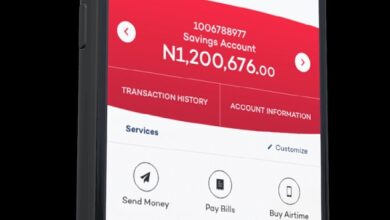


Fintech Banks in Nigeria 2026/2027
The Nigerian financial system has experienced a major transformation driven by the rapid growth of financial technology institutions. These platforms, commonly referred to as fintech banks, are redefining how individuals and businesses manage money, access credit, and perform everyday financial transactions.
In Nigeria, fintech banks have emerged as strong alternatives to traditional commercial banks by offering faster, cheaper, and more accessible financial services. Unlike conventional banking systems that rely heavily on physical branches, fintech banks operate primarily through digital platforms such as mobile applications, USSD codes, and web-based systems.
For Nigerians including students, job seekers, entrepreneurs, and small business owners, fintech banks provide practical solutions to everyday financial challenges such as sending money, saving funds, accessing loans, and receiving payments.
This comprehensive guide provides a detailed and structured list of fintech banks in Nigeria for 2026/2027, including how they operate, services they offer, eligibility requirements, benefits, challenges, and expert guidance on how to choose the right fintech platform.
Understanding Fintech Banking in Nigeria
What Is a Fintech Bank?
A fintech bank is a digital financial institution that leverages technology to provide banking services without relying heavily on physical infrastructure.
These platforms provide services such as:
- Account opening through mobile apps
- Instant money transfers
- Digital savings options
- Loan services without collateral in some cases
- Bill payments and airtime purchases
Fintech banks focus on convenience, speed, and accessibility.
Difference Between Fintech Banks and Traditional Banks
Traditional banks operate through physical branches and often require extensive documentation for transactions.
Fintech banks, on the other hand:
- Allow instant account creation
- Require minimal documentation
- Offer lower transaction charges
- Provide faster services
This difference makes fintech banks attractive to younger populations and tech-savvy users.
Categories of Fintech Banks in Nigeria
Fintech banks in Nigeria operate in different segments depending on their services and regulatory structure.
Digital-Only Banks (Neobanks)
These banks operate entirely online and provide full banking services without physical branches.
Mobile Wallet and Payment Platforms
These platforms focus on transfers, bill payments, and wallet services.
Payment Infrastructure Providers
These fintechs support businesses by enabling payment processing systems.
Microfinance-Based Digital Banks
These institutions operate under microfinance banking licenses but provide digital services.
Comprehensive List of Fintech Banks in Nigeria 2026/2027
Below is a structured list of major fintech banks and financial platforms operating across Nigeria.
Leading Digital-Only Fintech Banks in Nigeria
Kuda Bank
Kuda Bank is widely recognized as one of the leading digital banks in Nigeria.
Key Features
- Zero or low account maintenance fees
- Free transfers within certain limits
- Budgeting and savings tools
- Business banking services
Opportunities for Users
Kuda provides opportunities for individuals to manage finances efficiently while reducing banking costs.
Requirements to Open an Account
- Phone number
- Bank Verification Number (BVN)
- Valid identification
Benefits
- Easy account opening
- Instant transactions
- Financial tracking tools
Carbon
Carbon started as a lending platform but has evolved into a full-service fintech bank.
Services Offered
- Instant personal loans
- Savings plans
- Bill payments
- Investment options
Loan Opportunities
Users can access loans without collateral based on their credit profile.
Requirements
- BVN
- Active phone number
- Credit history evaluation
Mobile Money and Payment Fintech Platforms
OPay
OPay is one of the most widely used fintech platforms in Nigeria.
Services
- Money transfers
- Airtime purchases
- Bill payments
- POS agent services
Opportunities
OPay offers business opportunities through agent banking.
Estimated Earnings for Agents
- ₦50,000 – ₦300,000 monthly depending on transaction volume
PalmPay
PalmPay provides accessible financial services through mobile technology.
Key Features
- Cashback rewards
- Fast transfers
- Savings options
Benefits
- User-friendly interface
- Incentives for frequent transactions
Payment Infrastructure Fintech Companies
Paystack
Paystack enables businesses to accept payments online and offline.
Services
- Payment gateways
- Subscription billing
- E-commerce integrations
Opportunities
Entrepreneurs can use Paystack to run online businesses efficiently.
Flutterwave
Flutterwave provides global payment solutions for businesses.
Services
- International payments
- Online transaction processing
- Business payment tools
Benefits
- Cross-border transaction capabilities
- Business scalability support
SME and Agency Banking Fintech Platforms
Moniepoint
Moniepoint focuses on financial services for small businesses.
Services
- POS terminals
- Business accounts
- Loan services
Opportunities
Entrepreneurs can operate POS businesses and earn commissions.
Paga
Paga provides mobile money and financial services.
Features
- Agent banking network
- Mobile wallet services
- Payment solutions
Benefits
- Financial inclusion for underserved populations
Emerging and Specialized Fintech Platforms
Interswitch
Interswitch is a major infrastructure provider for digital payments.
Services
- Card payment systems
- ATM switching services
- Digital transaction processing
Cardtonic
Cardtonic focuses on digital asset and payment services.
Services
- Gift card trading
- Virtual cards
- Utility payments
Traders Prime Microfinance Bank
This fintech-focused microfinance bank supports small traders and entrepreneurs.
Target Users
- Market traders
- Small business owners
- Digital sellers
Requirements for Opening Fintech Bank Accounts in Nigeria
Most fintech platforms simplify account opening processes.
Basic Requirements
- Phone number
- Bank Verification Number (BVN)
- Valid identification
- Email address
Step-by-Step Account Opening Process
- Download the fintech app
- Register using phone number
- Verify identity with BVN
- Upload required documents
- Activate account
Accounts are often activated within minutes.
Benefits of Fintech Banks in Nigeria
Financial Inclusion
Fintech banks provide access to financial services for people without traditional bank accounts.
Lower Costs
Many fintech platforms charge minimal fees compared to traditional banks.
Speed and Efficiency
Transactions are processed instantly.
Accessibility
Users can access services anytime from their mobile devices.
Challenges of Fintech Banking in Nigeria
Network and Technical Issues
Digital platforms may experience downtime or connectivity issues.
Fraud Risks
Users must be cautious to avoid scams and unauthorized transactions.
Regulatory Environment
Fintech companies must comply with financial regulations.
Detailed Comparison of Fintech Banks in Nigeria 2026/2027
Understanding the differences between fintech banks is essential for choosing the right platform based on your financial needs. Each fintech institution in Nigeria offers unique features, pricing structures, and service strengths.
Service-Based Comparison
Digital Banking and Personal Finance
- Kuda Bank focuses on everyday banking, budgeting, and savings.
- Carbon combines banking with lending and investment features.
These platforms are suitable for salary earners, students, and individuals managing personal finances.
Payments and Transfers
- OPay and PalmPay dominate in fast transfers, airtime purchases, and bill payments.
They are widely used due to their simplicity and agent networks.
Business and Merchant Services
- Paystack and Flutterwave provide payment solutions for businesses.
They are ideal for entrepreneurs, online sellers, and startups.
SME and POS Banking
- Moniepoint and Paga focus on small business operations and agent banking.
These platforms support POS businesses and offline transactions.
How to Choose the Best Fintech Bank in Nigeria
Selecting the right fintech bank depends on your specific financial goals.
For Students and Beginners
Students and first-time users should consider:
- Easy account setup
- Low charges
- Simple user interface
Recommended options include:
- Kuda Bank
- PalmPay
For Small Business Owners
Business owners should prioritize:
- Payment processing tools
- Transaction tracking
- Business support features
Recommended platforms include:
- Paystack
- Moniepoint
For Loan and Credit Access
Users seeking loans should consider:
- Quick loan approval
- Flexible repayment plans
Recommended platform:
- Carbon
For Daily Transactions
Users who perform frequent transfers should choose platforms with:
- Fast processing
- Reliable networks
Recommended options:
- OPay
- PalmPay
Fintech Banks in Nigeria 2026/2027
Loan and Credit Opportunities Across Fintech Banks
Fintech platforms have simplified access to credit in Nigeria.
Types of Loans Available
Personal Loans
- Offered by platforms like Carbon
- No collateral required
- Based on transaction history
Business Loans
- Provided by Moniepoint
- Designed for SMEs
- Based on business cash flow
Salary Advance Loans
- Available to users with regular income
- Short repayment periods
Loan Requirements
- Active account usage
- Verified identity (BVN)
- Transaction history
- Creditworthiness
Estimated Loan Amounts
- ₦5,000 – ₦1,000,000 depending on eligibility
Real-Life Case Scenarios
Case Scenario 1: Student Managing Expenses
A university student in Nigeria uses Kuda Bank to:
- Receive allowances
- Save money
- Track spending
This helps the student develop financial discipline.
Case Scenario 2: POS Business Operator
An entrepreneur uses Moniepoint to operate a POS business.
Estimated Earnings
- ₦3,000 – ₦10,000 daily depending on transaction volume
This creates a stable income stream.
Case Scenario 3: Online Business Owner
A small business owner integrates Paystack into their website.
Benefits include:
- Accepting payments from customers
- Automating transactions
- Expanding business reach
Case Scenario 4: Daily Transfer User
A trader uses OPay for:
- Sending money to suppliers
- Buying airtime
- Paying bills
This reduces reliance on physical cash.
Common Mistakes to Avoid When Using Fintech Banks
Ignoring Security Measures
Users should never:
- Share PINs or passwords
- Click suspicious links
- Use unsecured networks
Choosing the Wrong Platform
Selecting a fintech bank without understanding its features may lead to dissatisfaction.
Over-Borrowing
Taking loans without proper planning can lead to financial difficulties.
Not Monitoring Transactions
Users should regularly check account activity to detect errors or fraud.
Advanced Tips for Maximizing Fintech Banking
Use Multiple Platforms
Many Nigerians combine different fintech apps for various purposes.
Example:
- Use Kuda Bank for savings
- Use OPay for transfers
Track Spending
Digital banking apps provide transaction history that helps users manage finances effectively.
Leverage Rewards and Cashback
Some fintech platforms offer incentives for frequent transactions.
Regulatory Environment for Fintech Banks in Nigeria
Fintech banks operate under regulations set by financial authorities in Nigeria.
Key Regulatory Objectives
- Protect customers
- Prevent fraud
- Ensure financial stability
Compliance Requirements
Fintech companies must:
- Verify customer identities
- Maintain transaction records
- Follow anti-money laundering rules
Future Trends in Fintech Banking in Nigeria
The fintech industry continues to evolve rapidly.
Increased Digital Adoption
More Nigerians are expected to adopt digital banking services.
Expansion of Loan Services
Fintech platforms will likely offer more credit options.
Integration With Global Payments
Platforms like Flutterwave are already enabling cross-border transactions.
Growth of Agent Banking
Agent networks will continue to expand financial services to rural areas.
Opportunities Created by Fintech Banks
Employment Opportunities
Fintech companies create jobs in:
- Technology
- Customer support
- Marketing
Business Opportunities
Entrepreneurs can:
- Start POS businesses
- Build online stores
- Offer financial services
Financial Growth
Individuals can save, invest, and access credit more easily.
Final Conclusion
Fintech banks have transformed financial services in Nigeria, making banking faster, more accessible, and more efficient.
Platforms such as Kuda Bank, OPay, PalmPay, Paystack, Flutterwave, and Moniepoint continue to provide innovative solutions for individuals and businesses.
For Nigerians in 2026/2027, fintech banking presents significant opportunities for financial inclusion, business growth, and economic advancement.
By choosing the right platform, maintaining good financial habits, and using digital tools effectively, users can maximize the benefits of fintech banking and achieve long-term financial success.